
Listen to this podcast in the app for free: Download for free in the App Store
radio.net
Sleep timer
Save favourites
241 episodes
From QR Codes to Ice in Rosé: Opinions from Sommelier and Wine Communicator Cyndal Petty
23/10/2026 | 36 mins.Send us Fan Mail
Wine can be the most welcoming drink on the table, and somehow we’ve also managed to make it intimidating. We’re joined by Western Australia’s Cyndal Petty, a wine communicator with a deep hospitality background, to unpack why the way we talk about wine often forgets the person actually drinking it. If you’ve ever looked at a wine list and felt like you needed a dictionary, this one is for you.
We chat about Cyndal’s “portfolio career” in wine writing, hosting events and masterclasses, and building Sommelier of Sorts, a project that brings together Australian wine art prints and roaming dinner parties. The big idea is simple: wine lands best when it sits inside culture. It doesn’t have to be a lecture to be meaningful, and it doesn’t need the word “education” to help people feel more confident and curious.
From there, we get honest about the wine industry and hospitality industry realities: why finger-pointing at venues helps no one, what restaurants actually need to list more Australian wine, and what’s going right now in more casual, fun spaces. We also tackle QR codes on tables and why they can make service feel uncertain, which matters because great service is often what makes wine taste better.
We finish with practical advice for anyone nervous about talking to a sommelier or walking into a curated wine shop, plus a fascinating look at multisensory wine tasting and flavour perception through soundscapes. If you care about Australian wine, Margaret River culture, and making wine feel human again, hit play, then subscribe, share this with a mate, and leave us a review. What’s one wine rule you’re ready to drop?
Follow us on instagram @winewithmegandmel
and TikTok! @winewithmegmelChampagne Problems: The Deepest Dive In Sparkling Wine! Part 2
07/10/2026 | 43 mins.Send us Fan Mail
We taste how time changes sparkling wine, comparing lees-aged cellar release bubbles with an older bottle-aged Blanc de Blancs that turns fruit into caramel, fudge and nuts. We also break down how sparkling rosé gets its colour and sweetness, so you can buy with confidence and pair it with food like you actually mean it.
Our standout favourite wine had to be the Chandon Cellar release from 2013. Stunning depth, smooth finish and a long LONG finish.
https://www.chandon.com/en-au/product/chandon-cellar-release-2013
• three stages of ageing in méthode traditionnelle sparkling and what each one changes
• cellar release and late disgorged wines preserving freshness while building brioche and toast
• bottle ageing sparkling wine and why colour deepens as mousse fades faster
• tasting for quality using mousse, mouthfeel and a timed finish
• sparkling rosé colour made at the start via maceration versus added at the end with grape must
• “Tashe” style rosé and why late colour often means more sweetness
• food pairing strategies using contrast, complement, and “completing the mouthful”
• how to read vintage, non-vintage, and multi-vintage on labels
If there’s any terms we’ve missed out, let us know, hit us in the DMs
All the wines tasted (except the 2006 Blanc de Blanc) are available through the Chandon Shop!
https://www.chandon.com/en-au/collection/all
Slide into the DM's on Instagram and let us know your thoughts on Sparkling wine and what you thought of the episodes!
Follow us on instagram @winewithmegandmel
and TikTok! @winewithmegmelChampagne Problems: The Deepest Dive In Sparkling Wine! Part 1
30/09/2026 | 50 mins.Send us Fan Mail
Sparkling wine looks effortless in the glass, but the work behind it is anything but. With Meg away in Spain, we (Mel and Austin) crack on with a proper deep dive into Traditional Method sparkling wine, the bottle-fermented approach that underpins Champagne and some of the best Australian sparkling wine. If you’ve ever wondered why “Method Traditional” on a label usually means more complexity, finer bubbles and a higher price tag, we walk you through the exact reasons, step by step.
We start where most people never get to taste: base wine. It’s high acid, lower alcohol, and honestly a bit shocking when you try it on its own. From there we explain blending, the part we see as the true artistry, because winemakers shape the final style from parcels that don’t taste anything like the finished product. Then we get into the science of the second fermentation in bottle, where yeast plus grape must creates alcohol and traps carbon dioxide to form bubbles.
After that, we unpack the delicious bits: ageing on lees for brioche, toast and nutty notes, plus how “time on lees” also changes mousse and bead. We break down riddling and disgorgement, from old-school hand turning to modern gyropalettes, and finish with dosage, the tiny final addition that can make an acidic wine feel seamless. Finally, we taste and compare a classic Brut blend against Blanc de Blanc, with practical food pairing ideas for seafood, spice and richer mains.
To get even more Sparkling Wine info listen to some of our older episodes!
To Hiss or POP!
https://open.spotify.com/episode/6uEUAadf6yXgG3unNaeWJi
All about Sparkling Wine
https://open.spotify.com/episode/4Bh5mhWboPsxTod3JN35c1?si=jHnw7DO6QMWwrBXRHzghFg&utm_source=copy-link
If you love Champagne-style sparkling or want to buy smarter, hit play, then subscribe, share the episode with a wine mate, and leave us a review. What’s your go-to: Brut or Blanc de Blanc?
Follow us on instagram @winewithmegandmel
and TikTok! @winewithmegmelWhy Is the Wine Industry Losing Good People? Women in Wine on Careers, AI and the Future of Wine
25/09/2026 | 1h 29 mins.Send us Fan Mail
Wine is a “sexy” industry right up until you see what the hours, expectations, and unspoken rules do to the people who make it. We’re joined by three powerhouse voices from very different corners of wine: Jess Clark from Dexter Wines with deep production experience, Imogen Gardner, Public Affairs Director at Treasury Wine Estates, and Jill Boyer from Adelaide University, teaching and shaping the next generation of wine professionals.
We talk about the quiet talent drain: why a 50 50 split at the start of wine degrees can later turn into a sharp drop-off in leadership, and why people often leave without making a sound. From harvest and spray season workloads to the “martyr mentality”, we unpack what drives burnout and what actually helps retention: better planning, realistic rostering, clear communication, fair compensation, and workplace psychological safety. We also dig into the “sexy job tax” and how glamour can hide underpayment, overwork, and boundaries that get trampled.
Then we go wide on the future of the Australian wine industry: GLP-1 drugs like Ozempic and Mounjaro, changing health trends, and why “drinking less but better” could be an opportunity rather than a threat. Imogen explains how nutritional labelling and kilojoules can build consumer trust, and we explore AI in wine, from vineyard sensing and forecasting to label compliance, plus the risk that AI erodes entry-level training if leaders aren’t intentional.
We finish with the practical reality of pregnancy, parental leave, and returning to work in production roles, and why flexible work, cross-skilling, and job design keep knowledge in the business. If you care about sustainable wine careers, better workplace culture, and the long-term health of Australian viticulture and winemaking, hit subscribe, share this with a wine mate, and leave us a review.
Follow us on instagram @winewithmegandmel
and TikTok! @winewithmegmelWine News: Changing Of The Guard In Australian Wine, Mac Forbes Administration, The Buyback Scheme We Have Been Waiting For and So Much MORE!
23/09/2026 | 39 mins.Send us Fan Mail
A premium Yarra Valley name going into administration is not the headline anyone wanted, but it is the one we need to talk about. With Meg away, we jump into Wine News and break down what “administration” actually means, why Mac Forbes matters to Australian wine, and the bigger message hiding underneath the gossip: critical acclaim, top reviews, and a strong personal brand don’t automatically protect a winery when the market is tight and cash flow is under strain.
From there, we take the energy of the Australian Women in Wine Symposium and pull out the themes that stick. We talk leadership and workplace culture, then dig into the idea of the “sexy job tax” the trap where industries that look glamorous (wine included) often ask people to accept longer hours, lower pay, and shakier conditions. If we want to keep good people in wine, we can’t rely on vibes and freebies. We need sustainable jobs.
We also zoom out to the structural moves shaping the next few years: leadership changes at Australian Grape & Wine and the Australian Wine Research Institute, France paying growers to rip out vineyards, and South Australia’s $109 million wine industry transition and growth package that finally hints at a pathway for growers who need options. Then we hit climate change, with Champagne warming up and English sparkling wine looking more and more like the cool climate sweet spot.
We finish on a high with a shout out to Brendan Carter’s international communicator win, plus a genuinely funny listener report from London on a KFC pop-up pairing chicken with La Vieille Ferme wine. If you like smart wine analysis with a bit of chaos, subscribe, share the episode, and leave us a review. What story do you want us to dig into next?
Shoot us a message we love hearing from you!
Follow us on instagram @winewithmegandmel
and TikTok! @winewithmegmel
More Arts podcasts









Trending Arts podcasts


















About Wine with Meg + Mel
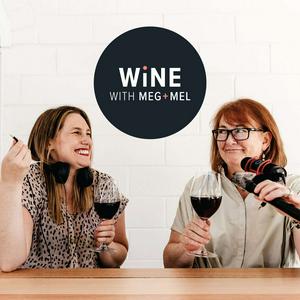
The fun + frank podcast which helps you navigate the world of wine. Hosted by Australia's first female Master of Wine Meg Brodtmann, and self-titled Master of Sabrage Mel Gilcrist.
Podcast websiteListen to Wine with Meg + Mel, 99% Invisible and many other podcasts from around the world with the radio.net app
Get the free radio.net app
- Stations and podcasts to bookmark
- Stream via Wi-Fi or Bluetooth
- Supports Carplay & Android Auto
- Many other app features
Get the free radio.net app
- Stations and podcasts to bookmark
- Stream via Wi-Fi or Bluetooth
- Supports Carplay & Android Auto
- Many other app features

Wine with Meg + Mel
Scan code,
download the app,
start listening.
download the app,
start listening.
 Australia