
Listen to this podcast in the app for free: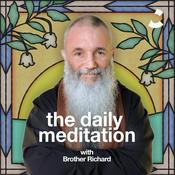 Download for free in the App Store
radio.net
Sleep timer
Save favourites
293 episodes
Colour Meditation: Exploring Emotion and Awareness (Repost)
23/10/2026 | 14 mins.A gentle practice using colour to deepen reflection and presence Hosted on Acast. See acast.com/privacy for more information.Triangle of Tension Meditation: Releasing Neck and Shoulder Stress
22/10/2026 | 9 mins.In this meditation, I invite you to explore what I call the triangle of tension: the area extending from the base of the skull, down through the neck and towards the shoulder blades.
Many of us carry stress and physical tension in this part of the body, often without realising how much it affects our comfort and ability to relax.
Beginning with awareness of the breath, we gently explore these areas of tension through simple shoulder movements, mindful breathing and visualisation.
As we imagine the muscles loosening and tension flowing away, we create space for greater relaxation and ease throughout the upper body.
This is a practical meditation that you can return to whenever you want to bring a little more awareness and relaxation to the neck, shoulders and upper back.
Chapters:
00:00 – Introduction: The triangle of tension
00:34 – Opening bell
00:49 – Entering meditation and settling the body
01:09 – Becoming aware of the present moment
01:29 – Noticing tension and discomfort
02:01 – Relaxing the body through the breath
02:15 – Breathing out stress and worry
02:50 – Understanding the triangle of tension
03:04 – Locating the three points of tension
03:42 – How everyday activities create tension
03:57 – Beginning the shoulder relaxation exercise
04:23 – Raising and releasing the shoulders
05:00 – Noticing the difference in your shoulders
05:14 – Breathing through the neck and shoulder blades
05:41 – Imagining the muscles slowly unwinding
06:06 – Checking for remaining tension
06:31 – Gentle movement of the shoulders and arms
07:01 – Visualising warm water flowing over the muscles
07:24 – Allowing stress and stiffness to flow away
07:47 – Feeling the neck and shoulders relax
08:10 – Returning awareness to the breath
08:34 – Gently moving the body
08:49 – Closing bell
Hosted on Acast. See acast.com/privacy for more information.Lectio Divina Meditation: The Kingdom of God Is Within You
21/10/2026 | 9 mins.In this Lectio Divina meditation, I invite you to sit with the words of scripture: “The kingdom of God is within you.”
Lectio Divina is an ancient contemplative practice in which we take a word or phrase from scripture and allow its deeper meaning to unfold through stillness, reflection and prayer.
Beginning with the breath, we consider the sacredness of our own being before gently exploring the meaning of the kingdom of God and what it means for that kingdom to dwell within us.
Drawing on the Franciscan understanding of divine love, we reflect on how the kingdom becomes present and visible when we allow love to reign in our hearts and lives.
This is an invitation to recognise that divine presence is not something distant or separate from us, but something we can encounter in the present moment.
Chapters:
00:00 – Introduction: The ancient practice of Lectio Divina
00:28 – Opening bell
00:39 – Entering meditation with intention
00:55 – Letting go of past and future
01:16 – Settling into the body
01:48 – Following the breath to the centre
02:19 – Resting in spaciousness and grace
02:32 – Introducing the scripture: The kingdom of God is within you
03:08 – Noticing what the words awaken within
03:31 – Recognising the sacredness of the body
04:02 – Body, mind, heart and soul as a temple
04:18 – Reflecting on each word of the verse
05:23 – What is the kingdom of God?
05:39 – Allowing divine love to reign within
06:18 – What does it mean that the kingdom is within you?
06:48 – The kingdom is present here and now
07:11 – How do we enter the kingdom within?
07:42 – Opening ourselves to divine will and grace
08:10 – Returning to the breath
08:34 – Breathing with the words of scripture
08:52 – Carrying the verse into daily life
09:04 – Closing bell
Hosted on Acast. See acast.com/privacy for more information.Weather Meditation: Observing Your Emotional Reactions
20/10/2026 | 11 mins.In this meditation, I invite you to explore the relationship between the weather and your emotional state.
Using the imagination, we picture different kinds of weather, beginning with a beautiful sunny day before moving to a rainy one. As each scene unfolds, we gently observe the feelings, memories and associations that arise within us, without judgement or attachment.
Through this simple practice, we begin to recognise something deeper: although our emotions may change with our surroundings, there is a stable awareness within us that remains present throughout.
By becoming familiar with this inner observer, we can cultivate greater equanimity, emotional awareness and peace, whatever the weather may bring.
Chapters:
00:00 – Introduction: How weather affects our emotions
00:43 – Opening bell
00:54 – Entering meditation with intention
01:07 – Settling into the body
01:37 – Becoming aware of the breath
01:51 – Breathing out tension and anxiety
02:43 – Finding stability in the present moment
03:07 – Observing emotional reactions without judgement
03:44 – Visualising a sunny summer’s day
04:16 – Noticing how sunshine makes you feel
04:42 – Exploring subtle shades of emotion
05:21 – Discovering the stable observer within
06:11 – Changing the scene to a rainy day
06:45 – Exploring your associations with rain
07:06 – Observing emotional reactions to rainy weather
07:49 – Recognising the awareness beneath your emotions
08:43 – Finding stability, strength and grace
09:17 – The weather changes, but you remain stable
09:43 – Breathing in peace and breathing out calm
10:07 – Returning to the here and now
10:48 – Carrying inner calm into the day
11:15 – Closing bell
Hosted on Acast. See acast.com/privacy for more information.Reset Meditation: Recovering the Form
19/10/2026 | 10 mins.In this meditation, I return once again to the basic relaxation form that underpins our contemplative practice.
Beginning with a simple ritual gesture, we settle the body and check in honestly with how we are. We then move through awareness of the body, breath, emotions and thoughts, learning to observe each without judgement or attachment.
By returning regularly to these foundations, we build the “meditative muscle” that helps us find stillness in changing circumstances and reconnect with the stable centre of awareness within.
Chapters:
00:00 – Introduction: Recovering the form
00:46 – Opening bell
00:50 – Beginning with a ritual gesture
01:28 – Taking your seat
01:58 – Finding stability and support
02:27 – Checking in with the body
03:01 – How am I in this moment?
03:34 – Scanning the body for tension
04:13 – Returning awareness to the breath
04:51 – Breathing out stress, anxiety and pain
05:17 – Breathing in warmth, light and calm
05:39 – Relaxing the whole body
06:03 – I have a body, but I am more than my body
06:32 – Checking in with emotions and thoughts
07:01 – Observing without judgement
07:11 – I am more than my emotions and thoughts
07:47 – Following the breath to the centre
08:08 – Resting in perfect peace and light
08:22 – I am I
08:39 – Created and held in divine love
08:51 – Choosing to meditate for all who are in need
09:23 – Resting in the breath
09:26 – Returning to stable awareness
09:44 – Carrying peace into the rest of the day
10:09 – Returning to the body
10:22 – Closing bell
Hosted on Acast. See acast.com/privacy for more information.
More Christianity podcasts









Trending Christianity podcasts
















About The Daily Meditation with Brother Richard
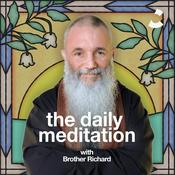
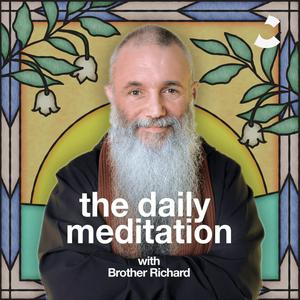
The Daily Meditation with Brother Richard is a short daily podcast offering stillness, clarity and spiritual grounding - a moment of calm in a busy, noisy world.Hosted by Brother Richard, a Capuchin Franciscan friar and meditation teacher, each episode draws on the Christian monastic contemplative tradition, one of the oldest continuous meditative practice in the world. With warmth, simplicity and deep humanity, Brother Richard offers reflections and guided meditations shaped for modern life.These meditations are open to people of all faiths, and to those with none. No belief is required - only a few quiet minutes and a willingness to pause, breathe and be present, whether taking a pause during the day or winding down before sleep.Brother Richard belongs to the Capuchin community in Dublin, Ireland, where a life of prayer and meditation has been practiced every day for over 400 years. This podcast carries that living tradition forward, translating ancient wisdom into a form that speaks to contemporary experience. To find out more about the Capuchins’ work visit: https://capuchindaycentre.ie/ Hosted on Acast. See acast.com/privacy for more information.
Podcast websiteListen to The Daily Meditation with Brother Richard, The Bryce Crawford Podcast and many other podcasts from around the world with the radio.net app
Get the free radio.net app
- Stations and podcasts to bookmark
- Stream via Wi-Fi or Bluetooth
- Supports Carplay & Android Auto
- Many other app features
Get the free radio.net app
- Stations and podcasts to bookmark
- Stream via Wi-Fi or Bluetooth
- Supports Carplay & Android Auto
- Many other app features
The Daily Meditation with Brother Richard
Scan code,
download the app,
start listening.
download the app,
start listening.
The Daily Meditation with Brother Richard: Podcasts in Family
 Australia