PodcastsMusicDig Me Out: 70s & 80s Metal

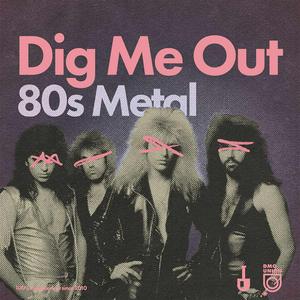
Dig Me Out: 70s & 80s Metal

Beyond the hits—exploring the albums, bands, and moments that shaped the heavy 70s & 80s metal
Dig Me Out: 70s & 80s Metal
Latest episode

54 episodes

  • Dig Me Out: 70s & 80s Metal

    The 1973 Album by The Sensational Alex Harvey Band That Sounds Like Rocky Horror Meets AC/DC

    03/03/2026 | 56 mins.
    A Scottish cult hero. A seven-minute pseudo-electronic epic. A song literally called “Gang Bang.” This episode dives into Next (1973) by the Sensational Alex Harvey Band, a glam-adjacent, piano-driven, theatrical rock album that turned Cleveland into a true-believer city while barely registering anywhere else. If you’ve ever wondered how a band could sound like AC/DC fronted by a cabaret singer, this one’s for you.
    The conversation unpacks how Next won a community poll over Santana, Mountain, and Babe Ruth, then zooms into what makes this record so strange and so compelling: Alex Harvey’s gravelly, Bon Scott–adjacent vocal sneer; Hugh McKenna’s barroom piano at the center of the mix; Zal Cleminson’s clown-faced guitar theatrics; and a tracklist that veers from swampy 70s glam rock to French-tango whorehouse drama to 50s sock-hop pastiche. The hosts dig into the band’s ties to Cleveland’s WMMS, the album’s inclusion in 1001 Albums You Must Hear Before You Die, and why “The Faith Healer” feels like a proto-electronic blueprint hiding inside a 70s hard rock record.
    Along the way, they wrestle with whether Next is a fully realized album or a brilliantly messy collision of pub-rock instincts and art-rock ambition. Is this bar-band filler padded with covers, or the sound of a band inventing a theatrical rock universe on the fly? If you’re into Alice Cooper (early band era), Slade, Mott the Hoople, AC/DC’s Bon Scott years, or even the weirder corners of 70s glam and proto-metal, this episode will hit that sweet spot between grit, camp, and cult.
    Episode Highlights:
    - 0:00 – Swampsnake (intro clip) – Setting the scene with the swampy, bluesy glam groove that defines the album’s tone and why this 70s poll got “weird in the best way.”
    - 1:40 – The 70s album poll – Santana, Mountain, Babe Ruth, and why the community rallied hard behind the Sensational Alex Harvey Band.
    - 7:40 – Cleveland adopts a Scottish band – WMMS, the Agora, and how Next became a regional obsession that most of America never knew existed.
    - 15:16 – Album backstory – Vertigo Records, Phil Wainman’s production, Tear Gas origins, and how a late-30s Alex Harvey ends up making this wild second album.
    - 22:02 – Glam, grit, and piano – How the Bon Scott–style vocal snarl, barrelhouse piano, and theatrical arrangements hold the chaos together.
    - 27:27 – First-listen confusion – From glam rock to 50s throwback to French chanson: why Next doesn’t make sense until you’ve lived in it for a few spins.
    - 30:05 – “Next” (track) – The Jacques Brel cover as French-tango whorehouse showpiece, Casablanca vibes, and the album’s most overtly theatrical moment.
    - 32:14 – “Vambo Marble Eye” – Bo Diddley groove, wah-drenched guitar nastiness, and the band’s most swaggering barroom-meets-art-rock blend.
    - 33:40 – “The Faith Healer” – Seven minutes of loops, Moog textures, and slow-build arrangement that feels like a prototype for later electronic and industrial music.
    - 34:37 – Rocky Horror energy – Why Next feels like an alternate soundtrack to a 70s midnight movie musical.
    - 36:42 – What doesn’t work? – The “pub-rock reflex”: “Giddy Up a Ding Dong” as sock-hop filler and the tension between bar band roots and art-rock ambition.
    - 40:35 – “Gang Bang” – Explicit lyrics, 70s shock value, consent, and how this track compares to hair metal’s sleazier moments.
    - 46:44 – Is this an album, EP, or chaos? – Final verdicts: worthy album vs. killer four-song EP, and which tracks make the cut.
    - 49:45 – For fans of… – Framing SAHB alongside Alice Cooper, Slade, Jake E. Lee–era party rock, and theatrical 70s glam for modern listeners.
    - 54:49 – How to dig deeper – Box-set rumors, the Framed/Next CD pairing, and why this is a band you probably had to see live.
    If you love 70s glam rock, proto-metal, theatrical rock, and cult classic albums that sit somewhere between barroom grit and art-school weirdness, this episode is for you.
    👉 Listen, subscribe, and dig deeper:
    Explore more episodes, polls, and our full archive at digmeoutpodcast.com
    Join the DMO Union for bonus episodes, Discord access, and to vote on future album polls at dmounion.com


    This is a public episode. If you'd like to discuss this with other subscribers or get access to bonus episodes, visit www.digmeoutpodcast.com/subscribe

  • Dig Me Out: 70s & 80s Metal

    Before You Replay Master of Puppets, Hear This

    17/02/2026 | 1h 7 mins.
    When an Australian thrash band that never broke big in the U.S. gets compared to early Metallica, Slayer, and Maiden in the same breath, you know you’ve stumbled onto something special. This episode dives into Mortal Sin’s 1986 debut Mayhemic Destruction—a ferocious, drum‑heavy, DIY thrash record from Sydney that plays like a missing puzzle piece in 80s metal history.
    Across the conversation, the hosts unpack how Mortal Sin emerged out of Australia’s pub‑rock and Buffalo‑style heavy scene into a faster, more aggressive sound after drummer Wayne Campbell discovered Metallica through tape‑trading in 1984. They trace the band’s rapid rise from self‑funded studio upstarts to landing a global deal, touring with Metallica, Megadeth, and Testament, and struggling with that classic “too big for pubs, too small for arenas” problem back home. Along the way, they dig into the band’s revolving‑door lineup, eerie mystery around the original drummer’s disappearance, and the evolution of Mortal Sin’s sound across later records.
    Musically, the episode zeroes in on what makes Mayhemic Destruction such a compelling outlier in 80s thrash. The drums and low end dominate the mix in a way that completely inverts the American template, forcing listeners to dig for the guitars and exposing a strange, rewarding hybrid of thrash, New Wave of British Heavy Metal, power metal, Motörhead grit, and proto‑death‑metal experiments on the title track. There’s plenty of love for the riffs, time‑changes, and dark modal choices in songs like “The Curse” and “Lebanon,” but also honest criticism of the limited, Hetfield‑ish vocal approach and the odd sequencing choices that bury some of the strongest material in the back half.
    If you’re into 80s thrash metal, early Metallica, Slayer, Anthrax, Testament, NWOBHM, or obscure Australian metal bands that never quite got their due, this deep dive into Mortal Sin and Mayhemic Destruction is absolutely in your wheelhouse. It’s a conversation about more than one album—it’s about how geography, timing, and weird production decisions can turn a record into a cult artifact waiting to be rediscovered.
    Episode Highlights
    0:00 – Mayhem from Sydney – Setting up Mortal Sin, Mayhemic Destruction, and why this Australian thrash debut matters in the 80s metal landscape.
    5:05 – Battle jackets and logos – Gavin’s origin story with Mortal Sin via patches, Kerrang! mags, and why some bands lived as imagery long before you ever heard a note.
    7:00 – Band history and lineup chaos – From Sydney origins and early rehearsals with Lino to global deals, tours with Metallica and Megadeth, and constant guitar player turnover.
    12:05 – DIY Mega Metal and Hetfield’s stamp – Recording at 301 Studios, self‑releasing the album, mailing it out like a zine, and landing James Hetfield’s 1986 endorsement.
    17:20 – “The Curse” – How the opening riffing, harmonics, and dissonant second‑guitar lines signal that Mortal Sin aren’t just copying Bay Area thrash.
    22:30 – Drum mix from another planet – Why the massive, low‑end‑heavy drum sound flips the usual thrash hierarchy and changes how you hear the riffs and groove.
    24:50 – “Lebanon” – Dark, almost Slayer‑like scales, Dokken/Mr. Scary vibes, and how this track becomes a standout for mood and melody.
    25:30 – Thrash without a ballad – The near‑total absence of slow songs, the fake‑out intro of “Liar,” and what that says about the band’s commitment to speed and aggression.
    30:15 – Honest strengths and weak spots – Praise for the riffs and rhythm section, plus a candid look at the limited vocals, buried mixes, and backward‑feeling sequencing.
    35:25 – Album art, demons, and Sydney in ruins – The Dungeons & Dragons‑style cover, nuked‑city imagery, and why this screamed “Tipper Gore nightmare” in the 80s.
    35:30 – “Mayhemic Destruction” (title track) – Proto‑death‑metal vocals and blast beats a year before Death’s Scream Bloody Gore, and why burying it as the closer was a smart move.
    40:30 – Live vs. studio – What the 20th anniversary live tracks reveal about the band’s true sound compared to the unique, drum‑heavy studio mix.[
    45:00 – Final verdict – Is Mayhemic Destruction a worthy album, a decent single, or a lost cult gem in the Australian thrash canon?
    Love uncovering 80s metal obscurities and lost thrash gems? Hit subscribe, leave us a review, and share this episode with a fellow metal nerd who still remembers drawing band logos on grocery‑bag book covers. Dive deeper into archives, polls, and bonus content at digmeoutpodcast.com and join the Union to vote on future episodes at dmounion.com.


    This is a public episode. If you'd like to discuss this with other subscribers or get access to bonus episodes, visit www.digmeoutpodcast.com/subscribe
  • Dig Me Out: 70s & 80s Metal

    Agitation Free: The Album Nobody Remembers (But Tangerine Dream Does)

    03/02/2026 | 41 mins.
    Ever heard of a band that traveled to Egypt on a Goethe Institute tour, recorded street sounds in Cairo bazaars, then came home to Berlin and created one of the most mind-bending krautrock albums of the ’70s? This week, we’re digging into Malesch by Agitation Free—a 1972 experimental masterpiece that won our listener poll despite none of us having ever heard it before. This is pure discovery territory.
    In this episode, we explore how a Berlin rock band named themselves after playing a free show, lost their drummer to Tangerine Dream, then embarked on a two-week Middle Eastern tour that changed everything. Armed with field recorders and cutting-edge EMS Synthi A synthesizers, Agitation Free created an album that sounds simultaneously prehistoric and futuristic—cosmic krautrock fused with Egyptian street recordings, primal percussion, and space-age electronics.
    We discuss what makes Malesch so challenging yet compelling: the lack of traditional song structures, the subtle integration of Middle Eastern influences without clichés, the innovative use of early synth technology, and why this album works better as immersive background music than active listening. Is this metal? Barely. Is it original? Absolutely. Does it connect to modern bands like Blood Incantation? More than you’d think.
    If you love Tangerine Dream, Can, Cluster, early Pink Floyd, Grateful Dead jams, or experimental krautrock that defies easy categorization, this episode is for you.
    Episode Highlights
    0:00 – Intro & Poll Results – How an obscure 1972 krautrock album beat out Humble Pie for our January 70s poll
    4:32 – Band History – From “Agitation” to “Agitation Free” and the Tangerine Dream connection
    6:10 – The Middle East Tour – Goethe Institute sponsorship, field recordings in Egypt, Lebanon, Cyprus, and Greece
    9:21 – “You Play For Us Today” – Opening the album with phrases captured from a Middle East Airlines pilot
    13:17 – What Works – Atmospheric mood-setting, early synth innovation, and why this sounds like nothing else from 1972
    19:00 – “Pulse” – The buzzing, bee-like synthesizer showcase that’s both annoying and mesmerizing
    21:10 – Krautrock Context – How German post-war youth created experimental music that influenced decades of rock
    22:26 – The Blood Incantation Connection – Modern death metal’s surprising embrace of ambient krautrock
    24:03 – The Jandek Tangent – Why Malesch is challenging but not that challenging
    28:05 – What Doesn’t Work – Fragmented structure, lack of consistent grooves, and the “convincing metalheads this is metal” challenge
    30:39 – “Malesch” – The eight-minute title track that’s the album’s most mesmerizing moment
    34:01 – Final Ratings – Worthy Album vs. Decent Single debate
    37:40 – Band Legacy – Still active in 2023, Christopher Franke’s Tangerine Dream career, and the Vertigo swirl label collectibility
    Join the Metal Union! Become a Patreon member at digmeoutpodcast.com to vote on future albums, access bonus episodes, and join our private Discord community. Visit dmounion.com to keep the metal ad-free and make the next episode happen.
    Explore more 70s and 80s metal deep cuts, forgotten krautrock gems, and underrated progressive rock classics. Subscribe wherever you get podcasts and follow us for weekly episodes covering everything from Humble Pie to Agitation Free—the albums you know and the ones you’ve never heard of.
    #AgitationFree #Malesch #Krautrock #GermanRock #1970sRock #ExperimentalRock #ProgRock #TangerineDream #VertigoRecords #DigMeOut #MetalPodcast #70sMetal #KrautrockClassics #PsychedelicRock #EMSSynthiA #MiddleEasternRock #CultClassics #ObscureAlbums


    This is a public episode. If you'd like to discuss this with other subscribers or get access to bonus episodes, visit www.digmeoutpodcast.com/subscribe
  • Dig Me Out: 70s & 80s Metal

    Nothing But a Good Time… or Cold War Therapy?

    20/01/2026 | 1h 10 mins.
    What if the “dumb party metal” you grew up with turned out to be one of the sharpest mirrors of 1980s America? In this episode of Dig Me Out: 80s Metal, we sit down with author, professor, and 80s tribute-band guitarist Jesse Kavadlo to talk about his new book Rock of Pages: The Literary Tradition of 1980s Heavy Metal and why those songs about girls, demons, and good times were actually wrestling with nuclear fear, censorship, and what it meant to grow up under the Cold War.
    Jesse walks us through how 80s metal lyrics connect to classic literature, from Def Leppard reimagining Genesis and Paradise Lost to Metallica and Ozzy Osbourne grappling with existential dread, addiction, and the possibility of global annihilation. We dig into the PMRC hearings and satanic panic, the way MTV videos turned escapism into literal chains and magic portals, and how Stranger Things surprisingly nails the mix of danger and freedom that metal kids actually felt in the 80s. Along the way, we talk subculture vs. streaming-era playlists, why Dio and Iron Maiden might be the true heirs of Romantic poetry, and how heavy metal may have nudged the Cold War toward its end at the Moscow Music Peace Festival.
    If you care about 80s heavy metal, the MTV era, or just love thinking about how songs work under the hood, this episode is for you. Fans of Iron Maiden, Metallica, Ozzy Osbourne, Van Halen, Mötley Crüe, Poison, Bon Jovi, Dio, and even Steel Panther’s parody universe will hear this music in a new way. And if you’re into how culture and politics collide in sound—think the way punk, hip-hop, or grunge carried the anxieties of their eras—you’ll find a lot to chew on here too.
    Episode Highlights
    0:00 – Intro / Setting the stage
    How Jesse went from Brooklyn club stages and opening for Danger Danger to a PhD in literature and an 80s tribute band in St. Louis, and why 80s metal still gets written off as “by and for dummies” while Dylan and Kendrick win major literary prizes.
    5:12 – Are 80s metal lyrics actually literature?
    Cassette liner notes, goofy rhymes, and serious themes: Jesse breaks down how synecdoche, personification, metaphor, and symbolism show up in songs by Def Leppard, Metallica, and Twisted Sister.
    12:45 – PMRC, Tipper Gore, and the fight over teenage imagination
    We revisit the 1985 PMRC hearings, Dee Snider’s testimony, and why “Under the Blade” and “Suicide Solution” say more about adult panic than teen corruption.
    20:30 – Cold War metal: Bon Jovi to Nuclear Assault
    How videos like Bon Jovi’s “Runaway” and songs by Metallica, Ozzy, Megadeth, and Nuclear Assault carried nuclear anxiety, class conflict, and apocalyptic dread beneath all the hairspray.
    28:10 – Escapism, fantasy, and why Dio matters
    From Dungeons & Dragons to Iron Maiden and Dio, we explore metal’s love of magic, fantasy, and portals as a deeply human response to a world that often felt unlivable.
    36:40 – MTV, chains, and the magic door
    We unpack the visual language of 80s metal videos: breaking out of asylums and prisons, falling through mirrors, and what it meant to “escape to the concert” once metal hit the mainstream.
    45:05 – Outsiders selling millions of records
    Why metal fans still felt like misfits even as the music dominated MTV, and how that outsider identity overlaps with the way readers and writers see themselves.
    52:30 – Van Halen, class struggle, and 1984
    From “Running with the Devil” and “Jump” to “Hot for Teacher,” we look at David Lee Roth’s working-class storytelling, school-as-prison imagery, and the eerie resonance of naming an album 1984 in the synth-drenched futureshock of the mid-80s.
    1:01:10 – Cowboys, Road Warriors, and the end of the world
    How metal videos borrowed from Escape from New York, The Road Warrior, and cowboy mythology to build a visual language of lawless survival and American ruggedness.
    1:09:45 – W.A.S.P., Nine Inch Nails, and moving the line
    What it means that W.A.S.P.’s “Animal (F*** Like a Beast)” got pulled from shelves while “Closer” became a critical darling, and how censorship lines shifted from the 80s to the 90s.
    1:18:20 – White Lion, Living Colour, and the politics hiding in band names
    We get into White Lion’s unexpected political conscience, the uncomfortable optics of Pride, and how Living Colour wore their politics more explicitly.
    1:25:40 – How to listen differently after Rock of Pages
    Jesse explains how he hopes readers (and listeners) revisit 80s metal: with streaming open, videos queued up, and an ear tuned to metaphor, context, and the way these songs helped kids survive their era.
    1:33:50 – What’s next and where to find the book
    Jesse hints at possible 90s projects and shares where to find Rock of Pages through Bloomsbury, indie bookstores, and the usual suspects.
    If this conversation makes you want to pull your old cassettes out of the box (or at least re-open your 80s metal playlist), don’t stop here.
    Dive into the full archive of 70s & 80s metal episodes, history-of-the-band deep dives, and mixtapes at digmeoutpodcast.com.
    Join the DMO Union for bonus episodes, new release reviews, polls, and our private Discord community at dmounion.com.
    Subscribe, leave a review, and share this episode with the friend who still swears 80s metal was “just for fun.” Let’s prove, once and for all, that the music that raised us was doing a lot more than just partying.


    This is a public episode. If you'd like to discuss this with other subscribers or get access to bonus episodes, visit www.digmeoutpodcast.com/subscribe
  • Dig Me Out: 70s & 80s Metal

    46% of Our Community Voted for This Leafhound Album—Here’s Why They Were Right

    06/01/2026 | 53 mins.
    What if Led Zeppelin had a long-lost twin that nobody remembers? In this episode of Dig Me Out, we unearth Leafhound’s 1971 proto-metal masterpiece Growers of Mushroom—an album that had all the ingredients for greatness but somehow slipped through the cracks of rock history . With a Robert Plant-caliber vocalist, Jimmy Page-inspired guitar tones, and riffs heavy enough to rival Black Sabbath, Leafhound created one of the most compelling “what if?” stories in early 70s heavy rock .
    Born from the remains of Black Cat Bones—the band that spawned Free’s Paul Kossoff and Simon Kirk, plus Foghat’s Rod Price—Leafhound emerged with vocalist Peter French and a sound that captured the raw, blues-drenched fury of the era . Released on Decca Records in 1971, Growers of Mushroom represents that crucial moment when heavy rock was still finding itself, experimenting with psychedelic tangents, folk influences, and proto-metal darkness before the genre lines were drawn .
    In this deep dive, hosts Jason, Tim, and Chip explore why this album works so well sonically while examining its fatal flaw: great performances without truly memorable songs . We discuss the album’s massive guitar tones, the Plant-inspired vocal howls, and those adventurous moments where Leafhound breaks from the Zeppelin/Sabbath template to explore jazzy, psychedelic, and Southern rock territories . From the buzzing intensity of “Freelance Fiend” to the eight-minute odyssey of “Work My Body,” this is an album that demands attention—even if it never quite delivers the knockout punch .
    If you love Led Zeppelin, Black Sabbath, Mountain, Cactus, Atomic Rooster, or Deep Purple, this episode is essential listening. We’re diving deep into the Heavy 70s—that glorious era of custom vans, tinted sunglasses, and amps cranked to the point of speaker destruction .
    Episode Highlights
    0:00 – Intro & “Freelance Fiend”
    Overview of Leafhound’s place in 1971 heavy rock, the band’s origins in Black Cat Bones, and why this album won our December 70s Rock poll with 46% of the vote .
    2:15 – The Album Poll Results
    Breaking down the four albums in contention: Armageddon (1975), Leafhound’s Growers of Mushroom (1971), Bloodrock (1970), and Toad (1971), plus community reactions from our Metal Union members .
    6:45 – Band History: From Black Cat Bones to Leafhound
    How Paul Kossoff and Simon Kirk left to form Free, Rod Price departed for Foghat, and vocalist Peter French assembled a new lineup that would record two albums before dissolving .
    13:30 – What Works: The Led Zeppelin DNA
    Analyzing the lead singer/lead guitarist dynamic, the Plant-inspired vocal howls, the Leslie West guitar tones, and that stripped-down 70s performance-based intensity .
    15:25 – “Freelance Fiend”
    The album’s killer opening track with its razor-sharp buzz, cowbell, and Mountain-style riffing .
    18:05 – “Drown My Life in Fear”
    The album’s standout moment—a bass-driven, Sabbath-influenced doom track with slide guitar textures and Robert Plant-caliber vocals .
    22:47 – The Zeppelin Comparisons
    Why this album sounds like the Creed to Led Zeppelin’s Pearl Jam—familiar DNA, different execution .
    24:30 – “Work My Body”
    An eight-minute journey featuring jazzy blues guitars, multiple structural shifts, and an unexpected organ-driven finale that recalls Deep Purple .
    29:00 – “With A Minute to Go”
    Breaking down the song’s direct lift of the cadence from Led Zeppelin’s “What Is and What Should Never Be” .
    35:59 – What Doesn’t Work: The Missing Hooks
    Honest conversation about why great guitar tones and performances aren’t enough without memorable choruses and compelling songwriting .
    40:15 – “Stray” & The Sabbath Influence
    How Leafhound shifts between Zeppelin-inspired blues rock and Black Sabbath’s minor-key doom throughout the album .
    44:00 – Recording & Production
    Discussing those massive, fuzzy 70s guitar tones—how they achieved speaker distortion, fuzz pedals, and that buzzing quality unique to early heavy rock .
    53:22 – The Aftermath: What Happened Next
    Peter French’s move to Atomic Rooster and Cactus, the band’s 2004 reunion, and the 2022 expanded reissue of Growers of Mushroom .
    58:10 – “Growers of Mushroom”
    The album’s trippy, psychedelic title track that evokes the Amboy Dukes and late-60s acid rock .
    1:02:00 – Final Verdict & Album Rankings
    Where Growers of Mushroom stands among other 70s heavy rock discoveries, and whether this album deserves cult classic status or remains a well-executed footnote .
    Join the Conversation
    Love discovering forgotten heavy rock? Subscribe to Dig Me Out and join the Metal Union at digmeoutpodcast.com to vote on future albums, access bonus episodes, and connect with our private Discord community . Keep the show ad-free and help us uncover more Heavy 70s gems by becoming a Patreon member at dmounion.com .
    Got a 70s deep cut we need to cover? Drop us a suggestion—we’re always hunting for the next Leafhound .


    This is a public episode. If you'd like to discuss this with other subscribers or get access to bonus episodes, visit www.digmeoutpodcast.com/subscribe

More Music podcasts

About Dig Me Out: 70s & 80s Metal

J, Chip, and Tim dig into the heavy rock and metal that defined two decades—from Black Sabbath and Led Zeppelin’s pioneering riffs to Mötley Crüe’s sonic excess, the unsung heroes, and the stories behind it all. One album at a time. Let’s relive the magic. www.digmeoutpodcast.com
Podcast website

Listen to Dig Me Out: 70s & 80s Metal, Sleep & Relaxation Music to Calm the Nervous System and many other podcasts from around the world with the radio.net app

Get the free radio.net app

  • Stations and podcasts to bookmark
  • Stream via Wi-Fi or Bluetooth
  • Supports Carplay & Android Auto
  • Many other app features
Social
v8.7.2 | © 2007-2026 radio.de GmbH
Generated: 3/13/2026 - 4:08:36 AM