
Listen to this podcast in the app for free: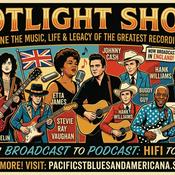 Download for free in the App Store
radio.net
Sleep timer
Save favourites
588 episodes
Episode 524: More Halloween Blues (part 2 of 2)
25/10/2026 | 1h 40 mins.20. Koko Taylor / Voodoo Woman
21. Los Lobos / Voodoo Music
22. Junior Wells / Hoodoo Man Blues
23. Melvin Taylor & the Slack Band / Voodoo Chile (Slight Return)
24. Playing for Change / Gimme Shelter
25. Lucinda Williams / Sympathy for the Devil
26. The Rolling Stones / Too Much Blood
27. Chris O'Leary / Daddy was a Wolfman
28. Jeff Beck Group feat Rod Stewart / I Ain't Superstitious
29. Stevie Wonder / Superstition
30. Gary Moore / Evil
31. Joanne Shaw Taylor / Wicked Soul
32. The Doors / The End
33. Buddy Guy / Hard Time Killing Floor
34. Led Zeppelin / Lemon Song
35. Gregg Allman / Midnight Rider
36. Maggie Bell / After Midnight
37. The Doors / People are Strange
38. Elvis Presley / Devil in Disguise
39. Joe Bonamassa / Burning Hell (John Lee Hooker)
40. Stevie Ray Vaughan / Say What (Soul to Soul)Episode 523: Boo! The Halloween Special Scary scary blues... (part 1 of 2)
25/10/2026 | 1h 25 mins.Pacific Street Blues & Americana
October 25, 2026
1. Robert Cray / Trick or Treat (Otis Redding)
2. Earl King / Trick Bag (Melvin Taylor, SRV)
3. Lightin' Hopkins / Black Ghost Blues
4. Copeland, Collins, Cray / Black Cat Bone
5. Samantha Fish / I Put a Spell On You
6 Dwight Yoakum / Who'll Stop the Rain
7. CCR / Tombstone Blues
8. Emmylou Harris / Bad Moon Rising
9. Son House / Grinnin' in Your Face
10. John Mellencamp / Death Letter Blues
11. Blind Willie Johnson / John the Revelator
12. Derek Trucks Band (feat Warren Haynes) / Preaching Blues
13. Sheryl Crow (Bob Dylan) / Tombstone Blues (feat: Natalie Maines, Chrissie Hynder, Sarah McLachlan, Eric Clapton, Keith Richards)
14. Lead Zeppelin / Gallows Pole
15. Josh White / TB Blues
16. John Lee Hooker / TB Sheets
17. Taj Mahal / Crossroads Blues
18. Eric Gales & Norris Johnson / Me and the Devil Blues
19. Johnny Winter & Derek Trucks / Dust My BroomEpisode 522: Blues & Homegrown favs like Charlie Burton, Jeni Grouse, Jason Birnstihl, and more...
18/10/2026 | 1h 5 mins.Spotlight Shows podcast library
Please FOLLOW US on Facebook.
22. Bonnie Raitt / Here Comes Love
23. Jeni Grouse / When I Get Back to You
24. Duane Betts / Down to Houston
25. Chris O'Leary Band / Daddy was a Wolfman
26. Eli Paperboy Reed / Knock, Knock Memories
27. Isiah Stone / No One Cares
28. Brooke Combe / Love Was Made of Stone
29. J Geils Band / Where Did Our Love Grow
30. Jason Birnstihl & Jen Hill / Stop in the Name of Love (live)
31. Keb Mo / We Make Love
32. Rhiannon Giddens / Carolina Rain
33. Buckingham Nicks / Crystal
34. Carla Thomas / Country Road
35. Charlie Burton / Guitar Case
36. Elvis Presley / A Mess of Blues
37. Bruce Springsteen / Viva Las Vegas
38. Graham Parker & the Rumour / Heat Treatment
39. All the King's Men feat Keith Richards / Deuce and a QuarterEpisode 521: Steeped in the Blues via' Ray Charles, The Doors, and Rememberin' John Lennon
18/10/2026 | 1h 26 mins.FOLLOW US on Facebook
Pacific Street Blues
October 18, 2026
Spotlight Shows Library
1. Teresa James When My Baby Comes Home
2. Van Morrison / Lonely Avenue
3. Earnestine Anderson / Never Make Your Move too Soon
4. Eva Cassidy / Hallelujah I Love Him So
5. The Boneshakers / Alice Doesn't Live Here Anymore
6. Sugar Ray & The Bluestones featuring Little Charlie / Don't Give No More Than You Can Take
7. Polly O'Keary and the Rhythm Method / Too Much Like I Care
8. KoKo Taylor / Nitty Gritty
9. REM / #9 Dream
10. Corinne Bailey Rae / I'm Losing Yout
11. Los Lonely Boys / Whatever Gets You Through the Night
12. Johnny Winter / Rock & Roll People
13. Bo Diddley Love Her Madly
14. The Doors / Roadhouse Rap
15. John Lee Hooker & Jim Morrison / Roadhouse Blues
16. Eileen Jewel / Soul Kitchen
17. Etta James / Light My Fire
18. Magic Sam / I Found a New Love
19. Southern Avenue / Found a Friend in You
20. Screaming Cheetah Wheelies / I Found Love
21. Larkin Poe / Who Do You LoveEpisode 520: Chill Hats for Kitty Kats - "Gone, like a a coooooool breeze" (part 2 of 2)
11/10/2026 | 1h 6 mins.Pacific Street Blues & Americana
Cool tunes for Cool Cats!
21. Kerri Powers / Morning Glory, Midnight Blue
22. Kris Lager Band / There Ain't Nothing (That Can Get in My Way)
23. Matt Cox / 18 Wheels
24. Dave Alvin / Albuquerque
25. Blood Brothers (Zito & Caniglia)/ Tooth & Nail
26. Duane Betts / Down to Houston
27. Mitch Gettman / Stay a Little Longer
28. The Movies / Self-Imaginary Lovers
29. Eddie 9V / Blowin' Up
30. Eric Bibb / Didn't Keep Runnin'
31. Ray Charles / Ain't That Love
32. Eva Cassidy / Hallelujah (I Love Him So)
33. The Black Crowes / Profane Prophecy
34. Humble Pie / Shine On
35. Buddy Guy w/ Jeff Beck & Keith Richards / Cognac
36. Sue Foley / Positively Fourth Street
More Music podcasts

Trending Music podcasts


About Pacific Street Blues & Americana
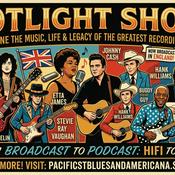
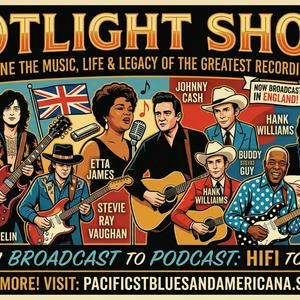
Founded in 1991 - now in our fourth decadeNebraska Music Hall of Fame, inducted,Iowa Rock n Roll Hall of Fame, inducted,Blues Foundation, Keeping the Blues Alive, recipientOmaha Blues Society Award., recipientNOW broadcast in England on Lionheart RadioMusical Ecclectrity - exploring the blues through the familiarity of Archival Classic Rock
Podcast websiteListen to Pacific Street Blues & Americana, Dolly Parton's America and many other podcasts from around the world with the radio.net app
Get the free radio.net app
- Stations and podcasts to bookmark
- Stream via Wi-Fi or Bluetooth
- Supports Carplay & Android Auto
- Many other app features
Get the free radio.net app
- Stations and podcasts to bookmark
- Stream via Wi-Fi or Bluetooth
- Supports Carplay & Android Auto
- Many other app features
Pacific Street Blues & Americana
Scan code,
download the app,
start listening.
download the app,
start listening.
 Australia