
Listen to this podcast in the app for free: Download for free in the App Store
radio.net
Sleep timer
Save favourites
1000 episodes
Late 2007 Documents Show Continued Effort to Shield Epstein From Federal Exposure (Part 5) (10/24/26)
24/10/2026 | 13 mins.Jeffrey Epstein’s lawyers mounted a broad attack on the federal investigation, arguing that prosecutors had built their case on unreliable witness accounts, distorted police reports and evidence that the defense said had been taken out of context. They accused investigators of ignoring statements favorable to Epstein, mischaracterizing physical evidence and failing to reconcile later FBI reports with the original recorded interviews. The defense repeatedly challenged the credibility of individual accusers by pointing to inconsistencies, criminal histories, drug use and personal behavior, while arguing that some of the young women had represented themselves as being 18. Kenneth Starr and Jay Lefkowitz urged U.S. Attorney Alexander Acosta to personally review the underlying evidence rather than rely on the conclusions reached by investigators and line prosecutors, contending that the federal case was far weaker than prosecutors had portrayed it.
Epstein’s attorneys also argued that the federal government had improperly transformed what they characterized as a state prostitution matter into a much broader federal sex-trafficking investigation. They challenged the use of federal statutes involving interstate communications, enticement and money laundering, accused prosecutors of pushing for harsher punishment than Florida authorities originally contemplated, and objected to provisions of the Non-Prosecution Agreement that protected victims’ ability to pursue civil claims. The defense also resisted efforts to notify victims, involve them in Epstein’s sentencing and facilitate representation for possible lawsuits. Their larger argument was that federal prosecutors had exceeded the proper boundaries of the case and were interpreting the Non-Prosecution Agreement more aggressively than Epstein’s lawyers believed had been agreed upon, while insisting that they were not asking Acosta to cancel the deal itself.
to contact me:
bobbycapucci@protonmail.com
source:
EFTA00208923.pdfNew Mexico's Lawsuit Filed Against Epstein Executors Darren Indyke And Richard Kahn (Part 7) (10/24/26)
24/10/2026 | 11 mins.New Mexico Attorney General Raúl Torrez accused Darren Indyke and Richard Kahn of being active financial and administrative participants in what the complaint called the “Epstein Enterprise,” rather than merely Jeffrey Epstein’s lawyer and accountant. The state alleged that the enterprise operated from at least 1997 until Epstein’s death in 2019 and used properties including Zorro Ranch to recruit, transport, isolate, sexually abuse and traffic girls and young women. According to the complaint, Indyke and Kahn managed money and corporate entities that helped keep the operation functioning, including making large amounts of cash available, paying expenses for young women, managing Zorro-related companies and handling transactions that the state said helped conceal Epstein’s activities. The complaint alleged that more than $6 million in cash was withdrawn from Epstein accounts between 2002 and 2013 and that Indyke continued withdrawing more than $200,000 annually from one account even after Epstein became a registered sex offender. New Mexico further alleged that Indyke received more than $16 million from Epstein-related entities between 2011 and 2019, along with an unrepaid $7 million loan and other benefits, while Kahn received more than $10 million and millions more through his company. The state alleged that both men knew, or at minimum recklessly disregarded, that the money they administered was facilitating Epstein’s trafficking and abuse, including conduct at Zorro Ranch.
The lawsuit went considerably further than simply seeking damages from Epstein’s estate. New Mexico brought claims under the federal Trafficking Victims Protection Act and the New Mexico Racketeering Act, accusing Indyke and Kahn of participating in racketeering predicates involving kidnapping, criminal solicitation and conspiracy, while also seeking restitution for unjust enrichment. The complaint cited multiple Jane Does who allegedly were transported to Zorro Ranch through deception, intimidation or coercion and sexually abused there, and it alleged that Indyke and Kahn helped finance the system that recruited and maintained access to those victims. The financial stakes were enormous because both men now serve as co-executors of Epstein’s estate and trustees and beneficiaries of the 1953 Trust; the complaint said Indyke could receive up to $50 million and Kahn up to $25 million from an estate still valued at more than $107 million. New Mexico asked the court to block estate distributions while the case proceeds, force the defendants to disgorge allegedly ill-gotten gains, award restitution, compensatory and punitive damages, potentially triple racketeering damages, and direct assets toward people harmed by the alleged enterprise. These remain civil allegations that Indyke and Kahn will have the opportunity to contest, but the filing represents one of the most aggressive attempts yet to hold Epstein’s financial inner circle legally responsible for allegedly enabling the machinery around his trafficking operation.
to contact me:
bobbycapucci@protonmail.com
source:
gov.uscourts.nmd.576774.1.0_1.pdfNew Mexico's Lawsuit Filed Against Epstein Executors Darren Indyke And Richard Kahn (Part 6) (10/24/26)
24/10/2026 | 10 mins.New Mexico Attorney General Raúl Torrez accused Darren Indyke and Richard Kahn of being active financial and administrative participants in what the complaint called the “Epstein Enterprise,” rather than merely Jeffrey Epstein’s lawyer and accountant. The state alleged that the enterprise operated from at least 1997 until Epstein’s death in 2019 and used properties including Zorro Ranch to recruit, transport, isolate, sexually abuse and traffic girls and young women. According to the complaint, Indyke and Kahn managed money and corporate entities that helped keep the operation functioning, including making large amounts of cash available, paying expenses for young women, managing Zorro-related companies and handling transactions that the state said helped conceal Epstein’s activities. The complaint alleged that more than $6 million in cash was withdrawn from Epstein accounts between 2002 and 2013 and that Indyke continued withdrawing more than $200,000 annually from one account even after Epstein became a registered sex offender. New Mexico further alleged that Indyke received more than $16 million from Epstein-related entities between 2011 and 2019, along with an unrepaid $7 million loan and other benefits, while Kahn received more than $10 million and millions more through his company. The state alleged that both men knew, or at minimum recklessly disregarded, that the money they administered was facilitating Epstein’s trafficking and abuse, including conduct at Zorro Ranch.
The lawsuit went considerably further than simply seeking damages from Epstein’s estate. New Mexico brought claims under the federal Trafficking Victims Protection Act and the New Mexico Racketeering Act, accusing Indyke and Kahn of participating in racketeering predicates involving kidnapping, criminal solicitation and conspiracy, while also seeking restitution for unjust enrichment. The complaint cited multiple Jane Does who allegedly were transported to Zorro Ranch through deception, intimidation or coercion and sexually abused there, and it alleged that Indyke and Kahn helped finance the system that recruited and maintained access to those victims. The financial stakes were enormous because both men now serve as co-executors of Epstein’s estate and trustees and beneficiaries of the 1953 Trust; the complaint said Indyke could receive up to $50 million and Kahn up to $25 million from an estate still valued at more than $107 million. New Mexico asked the court to block estate distributions while the case proceeds, force the defendants to disgorge allegedly ill-gotten gains, award restitution, compensatory and punitive damages, potentially triple racketeering damages, and direct assets toward people harmed by the alleged enterprise. These remain civil allegations that Indyke and Kahn will have the opportunity to contest, but the filing represents one of the most aggressive attempts yet to hold Epstein’s financial inner circle legally responsible for allegedly enabling the machinery around his trafficking operation.
to contact me:
bobbycapucci@protonmail.com
source:
gov.uscourts.nmd.576774.1.0_1.pdfMega Edition: Ghislaine Maxwell And The Battle Over In Court Attire During Her Trial (10/24/26)
24/10/2026 | 43 mins.Ghislaine Maxwell and her lawyers fought repeatedly over the way she was being presented while awaiting trial, arguing that her appearance in jail-issued clothing reinforced an image of guilt before a jury had heard any evidence. During earlier proceedings Maxwell had appeared in loose blue prison scrubs, sometimes shackled, while her attorneys were simultaneously complaining that the Metropolitan Detention Center had subjected her to unusually restrictive conditions and, at points, special anti-suicide clothing because officials feared a repeat of Jeffrey Epstein’s death in federal custody. As the November 2021 trial approached, the defense pushed to ensure Maxwell could appear before prospective jurors in ordinary civilian clothing rather than anything identifying her as a prisoner. The issue was more than cosmetic: criminal defendants generally cannot be compelled to stand trial before a jury dressed in identifiable prison clothing because of the danger that it undermines the presumption of innocence. By jury selection, Maxwell had been allowed to shed the jail uniform and appeared in outfits including a black turtleneck with gray slacks and later a beige cashmere sweater, black trousers and heels.
The wardrobe change also became part of the defense’s broader effort to radically alter the image jurors saw of Maxwell. Instead of the disheveled defendant who had previously appeared in prison scrubs with graying hair and shackles, jurors saw a carefully groomed woman in understated civilian clothing who regularly embraced her attorneys, took notes and interacted closely with the defense table. Observers noted the deliberately conservative sweaters, dark trousers and muted appearance, which stood in sharp contrast to the glamorous photographs of Maxwell from her years socializing with Epstein and powerful figures. There was nothing improper about wanting Maxwell dressed as a civilian—protecting defendants from the prejudicial effect of prison garb is a basic feature of a fair trial—but the dispute illustrated how intensely her legal team fought over virtually every detail of her pretrial treatment and courtroom presentation. Once the jury proceedings began, the government was prosecuting a woman accused of helping Epstein groom and abuse minors, while the defense was determined that the person sitting a few feet from the jurors would look like an ordinary defendant presumed innocent rather than an inmate who had already been judged guilty.
to contact me:
bobbycapucci@protonmail.comMega Edition: Bill Clinton And The Epstein Related Congressional Transcript (Part 10-12) (10/24/26)
24/10/2026 | 50 mins.Bill Clinton’s February 27, 2026 testimony before the House Oversight Committee finally forced him to answer under oath about a relationship with Jeffrey Epstein that had generated questions for decades, but the proceeding hardly delivered the kind of exhaustive accounting the public had been promised. Clinton insisted that he had “done nothing wrong,” knew nothing about Epstein’s abuse and never witnessed anything that caused him concern, effectively asking lawmakers to accept that his repeated contact with Epstein, travel aboard Epstein’s aircraft and proximity to Ghislaine Maxwell never exposed him to anything suspicious. That explanation deserved considerably more scrutiny than it received. Clinton had not volunteered for the deposition either. He resisted the committee’s subpoena, failed to appear for a scheduled January 13 deposition and only agreed to testify after a bipartisan contempt resolution advanced against him. Yet when he finally appeared, even some lawmakers who had spent months demanding answers quickly described him as cooperative and candid. The central problem remained unresolved: Clinton’s defense depended heavily on what he claimed not to have seen, not to have known and not to remember, while the documentary record established that his association with Epstein was substantial enough to demand far more than a polite acceptance of those denials.
The congressional process itself also exposed the weaknesses that have plagued nearly every official examination of Epstein’s network. Rather than methodically reconstructing Clinton’s relationship with Epstein against flight records, photographs, visitor records, witness accounts and contemporaneous communications, the deposition became entangled in the same partisan warfare that repeatedly consumes the Epstein investigation. Republicans emphasized Clinton while Democrats complained that Donald Trump had not been subpoenaed, and Chairman James Comer immediately used Clinton’s answers to make political claims about Trump rather than keeping the focus exclusively on Epstein and the unanswered questions surrounding Clinton himself. Clinton’s testimony therefore produced another familiar outcome: a powerful person denied knowledge of Epstein’s crimes, lawmakers divided themselves into political camps, and very little was done to independently test how plausible those denials actually were. Clinton’s appearance was historically significant because Congress compelled a former president to testify, but significance should not be confused with accountability. After years of questions about one of the most prominent men in Epstein’s orbit, the public was still largely left with Clinton’s version of events and a congressional process that appeared more interested in scoring partisan points than aggressively determining whether that version could withstand sustained scrutiny.
to contact me:
bobbycapucci@protonmail.com
More News podcasts










Trending News podcasts

















About The Vault: The Epstein Files
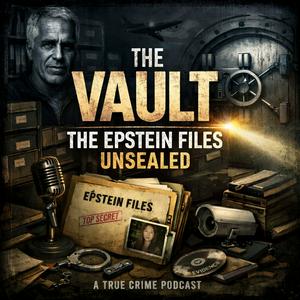
The Vault: The Epstein Files Unsealed is a deep-dive investigative podcast that pulls back the curtain on one of the most protected criminal networks in modern history. This series is built from the ground up on the actual paper trail—unsealed court records, depositions, exhibits, emails, and filings that were never meant to be read by the public. No pundit panels. No spin. Just the documents themselves, examined line by line, name by name, connection by connection—paired with precise, document-driven analysis that explains what the record truly shows.Each episode opens the vault on newly unsealed or long-buried Epstein files and walks listeners through what they actually reveal about power, money, influence, and the systems that failed survivors at every turn. Alongside the filings themselves, informed commentary breaks down the legal strategy, the institutional behavior, the contradictions, and the implications hiding between the lines. From judges’ orders and sealed exhibits to sworn testimony and back-channel communications, the show connects the dots the media often won’t—or can’t. Patterns emerge. Timelines collapse. Excuses fall apart.The Vault is a working archive in audio form, a living record of the Epstein case as told by the courts themselves—supplemented by rigorous analysis that provides context, challenges official narratives, and exposes where the record has been distorted, sanitized, or deliberately ignored. Every claim is grounded in filings. Every episode is anchored to the record. Listeners aren’t told what to think—they are shown what exists, what was said under oath, and what the commentary reveals about how those facts were buried, softened, or misrepresented.If you want to understand how Jeffrey Epstein was protected, who circled him, how institutions closed ranks, and why accountability keeps slipping through the cracks, The Vault: The Epstein Files Unsealed is where the record finally speaks for itself—and where the commentary ensures the documents do what no press release ever will.
Podcast websiteListen to The Vault: The Epstein Files, Full Story and many other podcasts from around the world with the radio.net app
Get the free radio.net app
- Stations and podcasts to bookmark
- Stream via Wi-Fi or Bluetooth
- Supports Carplay & Android Auto
- Many other app features
Get the free radio.net app
- Stations and podcasts to bookmark
- Stream via Wi-Fi or Bluetooth
- Supports Carplay & Android Auto
- Many other app features

The Vault: The Epstein Files
Scan code,
download the app,
start listening.
download the app,
start listening.
The Vault: The Epstein Files: Podcasts in Family
 Australia

