She's 70 years old, holds a PhD she earned in her late 60s, and looks like she cracked the code on aging. But Dr. Catharine Arnston isn't selling a beauty secret she's sharing 17 years of research into two of the most scientifically documented superfoods on Earth: spirulina and chlorella.
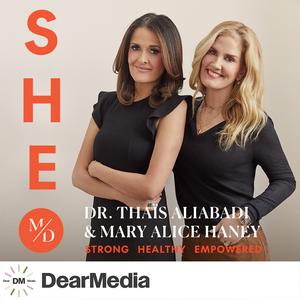
In this episode of SHE MD, Mary Alice Haney and Dr. Aliabadi sit down with Dr. Catharine Arnston, Chief Scientific Officer of ENERGYbits, for one of the most eye-opening conversations we've had on this show. It started with her sister's breast cancer diagnosis and a pivot away from a 25-year corporate career. What she found in the research changed everything she thought she knew about energy, brain health, aging, and women's bodies.
This isn't wellness fluff. There are over 100,000 peer-reviewed studies on these two algae. NASA has been feeding them to astronauts for 50 years. The United Nations endorsed spirulina as the answer to world hunger. And yet most women in the Western world have never heard of them.
Learn More Here: https://energybits.com/discount/SHEMD?rfsn=9096638.6abd9cc1&utm_source=refersion&utm_medium=affiliate&utm_campaign=9096638.6abd9cc1
What You'll Learn
Why algae was the first life on Earth and why that matters for your body
The difference between macroalgae (seaweed, kelp) and microalgae (spirulina, chlorella)
How spirulina creates cellular energy without the crash of caffeine or sugar
What phycocyanin is and how this blue pigment behaves differently in healthy versus unhealthy cells
Why mitochondria decline with age and how to protect them with nutrition
The role of superoxide dismutase (SOD) and why your body stops making it after age 30
Why menopause damages women's mitochondria twice as fast as men's
How chlorella detoxes heavy metals, glyphosate, aluminum, and other environmental toxins
Why chlorella is essential for anyone on a GLP-1 or any weight loss journey
How chlorella naturally supports serotonin, melatonin, sleep, and bowel motility
The right dosage of each algae by age, condition, and time of day
Why high heat in processing kills the benefits of most algae on the market
The truth about excess stored iron, inflammation, and "rusting from the inside" after menopause
How ENERGYbits are sourced in Taiwan in triple-filtered mountain spring water
How to use algae for weight loss, sleep, brain fog, skin health, and longevity
Key Timestamps
00:00 Welcome Dr. Catharine Arnston & Why Algae Matters
00:25 Catharine's Sister, Cancer, and the Origin of ENERGYbits
01:49 Plant-Based Nutrition and the Otto Warburg Discovery
02:46 Why People Don't Eat Vegetables (and What to Do About It)
03:28 Why No One Knows About Algae Despite 100,000 Studies
04:19 Why NASA Feeds Algae to Astronauts
04:43 Algae Is Food, Not a Supplement
06:45 "Aging Is Natural, Declining Is Not"
07:08 Macroalgae vs. Microalgae Explained
08:24 Why Lake & Ocean Algae Can Be Toxic
09:27 Spirulina: Energy at the Cellular Level
10:22 Why Algae Protein Beats Animal Protein
10:49 Dosage 101: When and How Much to Take
12:13 Phycocyanin: The Blue Pigment That Targets Unhealthy Cells
14:34 The Electron Transport Chain & ATP (The "Ferrari" Analogy)
15:48 Aging, Mitochondria & Cellular Decline
16:13 Superoxide Dismutase (SOD): The Hidden Antioxidant
17:53 Why Menopause Hits Women's Mitochondria Twice as Hard
19:38 Brain Fog, Depression & Damaged Mitochondria
20:37 Mary Alice's Family History & The Case for Prevention
22:10 How Fast You'll Feel It & Mitochondrial DNA Regeneration
23:16 Anti-Angiogenesis & Stopping Tumor Blood Supply
24:10 Chlorella: The Body's Tow Truck for Toxins
27:45 Chlorophyll, Hemoglobin & Building Your Blood
28:35 Glutathione, Liver Health & Tryptophan
29:03 Chlorella, Serotonin & Mood
29:34 Chlorella for Bowel Motility
30:25 The Athlete Protocol (NHL & NFL Dosing)
31:12 Sleep, Melatonin & Why Chlorella Works at Night
32:54 Chlorella for Chemotherapy Recovery
36:01 Pricing, Daily Cost & the Discount Code
36:45 Important: Talk to Your Oncologist Before Combining
38:17 Algae for Weight Loss & GLP-1 Support
40:32 Safety, Sourcing & Why ENERGYbits Are Grown in Taiwan
42:20 Catharine's Trip to Taiwan & Why It Matters
43:31 Excess Iron, Menopause & "Rusting From the Inside"
46:07 Final Thoughts & Why Consistency Wins
47:32 Absorption, Exosomes & Why Algae Works So Fast
48:39 Dosage for Kids, Husbands & Pets
49:41 Beauty Bits: The Pink Spirulina for Skin & Hair
51:07 Mary Alice Starts Her Algae Journey
Key Takeaways
Aging is natural, declining is not
Algae is food, not a supplement, so your body recognizes and absorbs it instantly
Spirulina nourishes & energizes, chlorella detoxes & repairs
You need both algaes for different reasons, especially after 40
Most brain issues trace back to damaged mitochondria
Women lose antioxidant and hormone protection twice as fast as men in menopause
The right dosage matters more than the right ingredient
Consistency beats intensity, your body is not a light switch
Most supplements are artificial, your body wastes up to 90% of them
Toxins live in your fat, so detoxing is part of any weight loss journey
The science exists, the connection between scientists and women is what's missing
Mother Nature provided answers long before pharmaceutical companies did
What you can't see at the cellular level is often what's hurting you most
Guest Bio
Dr. Catharine Arnston is the founder and Chief Scientific Officer of ENERGYbits, the medical-grade algae company she launched 17 years ago after pivoting from a 25-year international corporate career to research plant-based nutrition for her sister, who had been diagnosed with breast cancer. Her research led her to spirulina and chlorella, two microalgae backed by more than 100,000 scientific studies, and to a mission of bringing clean, hand-sourced algae nutrition to women, families, and elite athletes around the world. Catharine earned her health coaching certificate from the Institute for Integrative Nutrition and went on to complete her PhD in her late 60s, becoming one of the most credentialed and outspoken advocates for algae nutrition in the world. Her upcoming book, Love Your Health to Bits with Algae, set for an October release, distills 17 years of research into accessible, "science with sarcasm" guidance for the everyday reader. Catharine lives by the philosophy that "aging is natural, declining is not" and is on a mission to make algae as common in the Western world as it has been in Asia for the past 60 years.
See Privacy Policy at https://art19.com/privacy and California Privacy Notice at https://art19.com/privacy#do-not-sell-my-info.
















 Australia